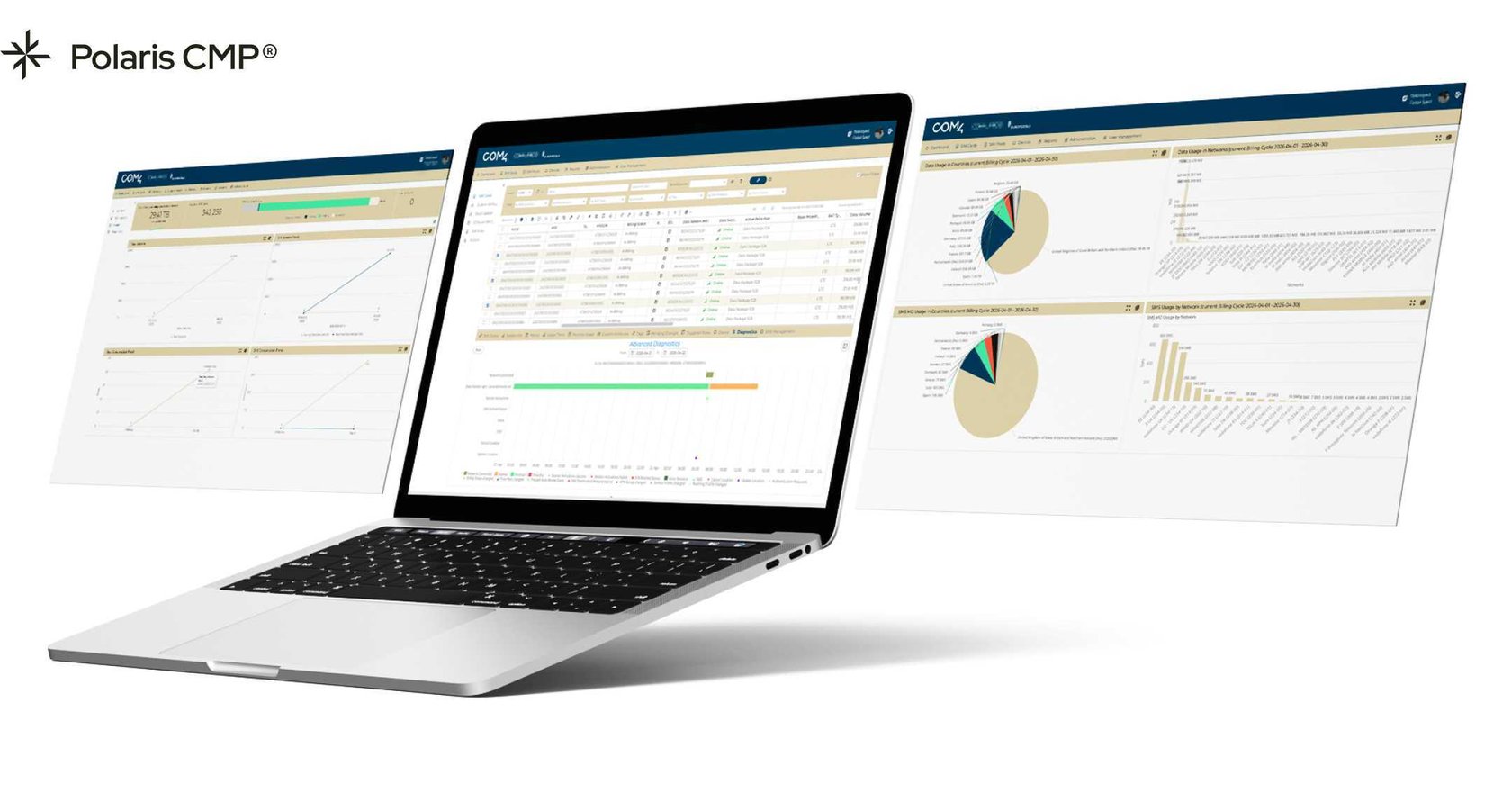
A buyer's guide to IoT SIM management platforms
The short answer: pick the platform that lets you run every SIM, on every network, from one place, and automate the boring parts.
An IoT SIM management platform (often called a connectivity management platform, or CMP) is where you activate, monitor, pause and retire the SIMs in your devices. Once a fleet grows past a few hundred SIMs, across several countries and networks, the platform matters as much as the SIM itself. This guide covers the capabilities worth testing before you sign, the questions to ask vendors, and how to plan a switch without downtime.
Key takeaways
- Choose a platform that shows every SIM, on every network, in one portal and one API.
- Automate the lifecycle and cost controls with rules, so SIMs pause before a fault becomes an invoice.
- Require security controls, a written uptime SLA and SGP.32 eSIM support for long-lived devices.
Six things a good platform should do
One view across networks
See status, sessions and data use for every SIM, whichever network or country it is on. If you need a separate portal per operator, you will lose time and miss problems.
Lifecycle automation
Move SIMs through test, pilot, production and decommissioning by rule, not by hand. Bulk activation, suspension and rate-plan changes should be one action, not a spreadsheet.
Cost control and alerts
Set usage limits per SIM and per fleet, get alerts on unusual traffic or IMEI changes, and let the platform pause a SIM automatically before a fault becomes an invoice.
APIs and integrations
A complete REST API, webhooks or streaming events let your own systems, ERP or cloud stack act on connectivity data. Ask how many endpoints exist and whether the API covers everything the portal does.
Security and access control
Role-based access, scoped API keys, SSO and audit logs, plus options like private APN and fixed IPs for sensitive deployments. Ask where the platform is hosted and what uptime is committed.
eSIM and SGP.32 readiness
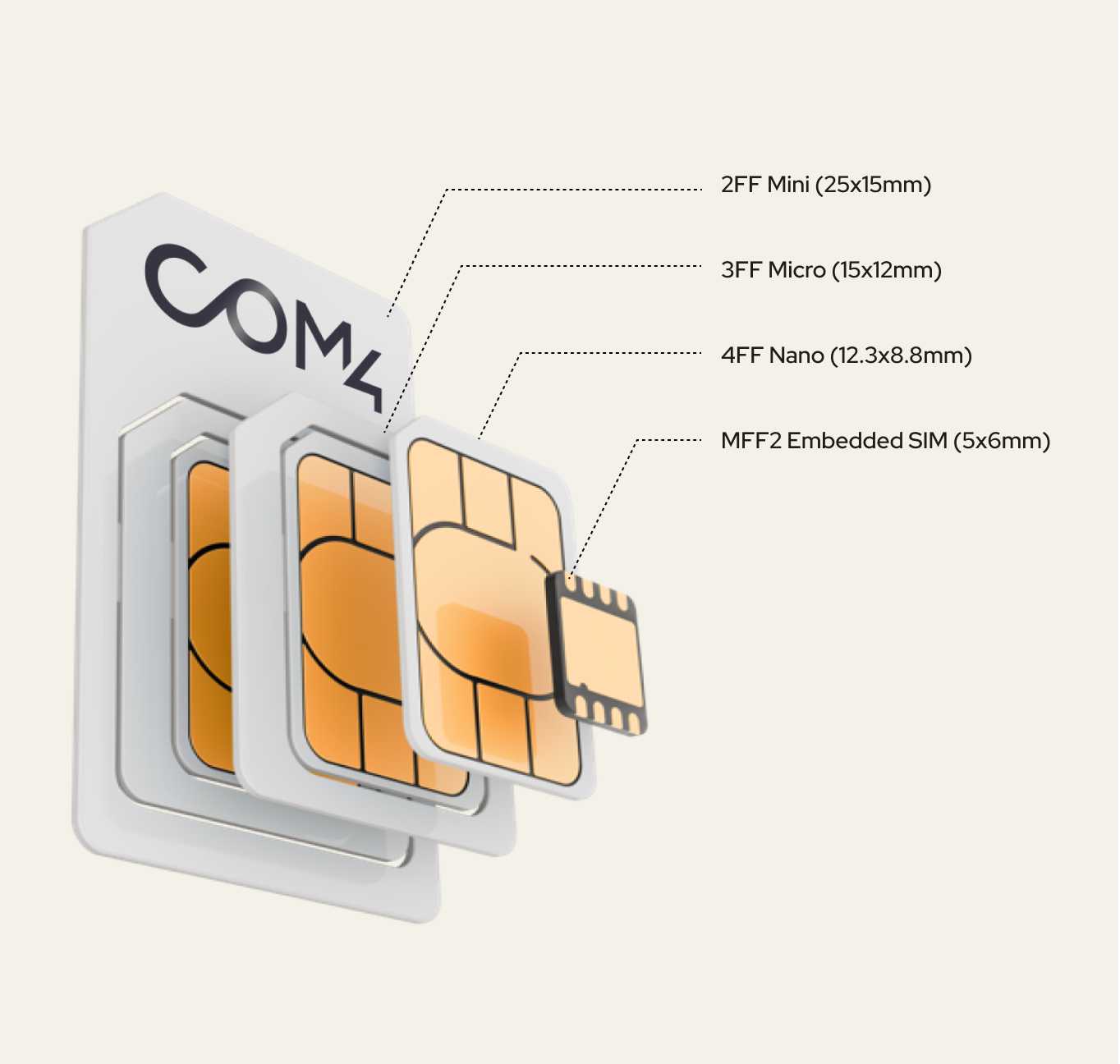
Devices often live 10 years or more. A platform that supports remote profile management under GSMA SGP.32 lets you change networks over the air instead of swapping SIMs in the field.

Vendor checklist: questions to ask before you sign
Use this list in demos and RFPs. Ask vendors to show each item live, not on a slide.
| Capability | Question to ask | What good looks like | Com4 Polaris CMP |
|---|---|---|---|
| Multi-network visibility | Can I see all SIMs, on all networks, in one portal and one API? | One fleet view, real-time status and usage per SIM | Yes. 750+ networks in 190+ countries in one portal and API |
| Lifecycle automation | Can SIMs change state automatically by rule? | Policy-based transitions from test to production to decommissioning | Yes, rule engine with automated state and rate-plan changes |
| Cost control | Can I cap usage and auto-pause a SIM? | Per-SIM and fleet limits with automatic actions | Yes, limits, anomaly alerts and automatic pause or terminate |
| Alerts | How are alerts delivered? | Email plus machine-readable events | Email, SMS, webhooks and STOMP streaming |
| API coverage | Does the API do everything the portal does? | Documented REST API with broad coverage | REST API with 60+ endpoints, public documentation |
| Security | Which access controls and network security options exist? | RBAC, SSO, audit logs, private APN | RBAC, scoped API keys, SSO, audit logs; private APN available |
| Hosting and uptime | Where is the platform hosted and what uptime is committed? | Named hosting region and a written SLA | Private cloud in Norwegian data centres, 99.99% uptime SLA |
| Satellite (NTN) | Can the same SIM and platform handle satellite when cellular is out of reach? | Standards-based NTN on the same SIM, managed in the same portal | Yes. Commercially available 3GPP Rel-17 satellite NTN on the same SIM, eSIM or iSIM, managed in Polaris CMP |
| eSIM | Is remote profile management under SGP.32 supported? | SGP.32 support and a clear roadmap | SGP.32 compatible, with SGP.32-ready SIMs |
| Commercial flexibility | Can I pause SIMs and pay only for active ones? | No lock-in, pause for devices in storage | Pay only for active SIMs, pause and reactivate at any time |
Operator portal, single-network MVNO or multi-network CMP?
Most platforms fall into three groups. Operator portals manage SIMs on one mobile network and its roaming partners. Single-core MVNO platforms give you one interface but only for the networks that provider has agreements with. Multi-network CMPs sit above many operators, so you can mix local and roaming profiles and change networks without changing your tooling. For multi-country fleets, the third group usually means fewer portals, fewer contracts and less vendor risk.
Plan the switch before you need it
Changing platform does not have to mean downtime. Ask any new vendor to cover: a pilot on real devices in your key countries, a parallel-run period, bulk import of your SIM inventory and labels, and API mapping from your current provider. With eSIM and SGP.32, future network changes can then happen over the air instead of with a field visit.
Test it with your own devices
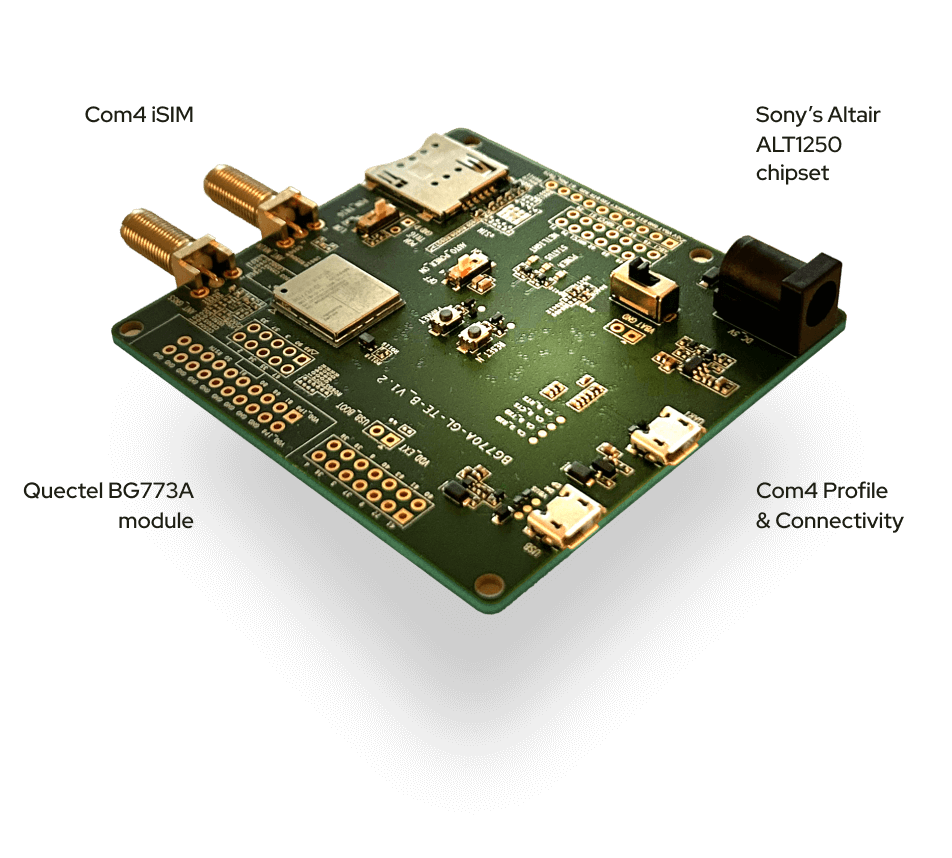
The fastest way to judge a platform is to use it. Com4's free IoT test kit gives you up to five SIMs with data for 60 days, managed in Polaris CMP, so your team can try activation, alerts and the API on real hardware before committing.
Frequently asked questions
What is an IoT SIM management platform?
It is the software you use to activate, monitor, control and retire the SIM cards in connected devices. It usually combines a web portal with an API, plus alerts, usage reporting and billing data. It is also called a connectivity management platform (CMP).
What is the difference between a CMP and an operator portal?
An operator portal manages SIMs on one mobile network and its roaming partners. A multi-network CMP manages SIMs across many operators and countries from one interface, so changing or adding networks does not mean changing tools.
Which features matter most for a large IoT fleet?
Fleet-wide visibility across networks, rule-based lifecycle automation, usage limits with automatic actions, a complete API, and strong access control. For long-lived devices, eSIM remote profile management under SGP.32 is increasingly important.
Do I need SGP.32 support today?
If your devices will be in the field for many years, yes, it is worth requiring. SGP.32 is the GSMA standard for remote SIM provisioning in IoT, and it lets you change connectivity profiles over the air instead of physically swapping SIMs.
How do I switch IoT SIM management platform without downtime?
Run a pilot on real devices, keep a parallel-run period, import your SIM inventory in bulk and map your existing API calls before cut-over. A provider with migration experience and multi-network SIMs makes this much simpler.
What does Com4 offer?
Com4's Polaris CMP manages multi-network IoT SIMs across 750+ networks in 190+ countries, with lifecycle automation, cost controls, alerts, a REST API with 60+ endpoints, SSO and audit logs, hosted in Norwegian data centres with a 99.99% uptime SLA.
Resources
Stay Connected with the Latest in IoT Connectivity Solutions

How to Choose a Secure IoT SIM for Mission-Critical Applications
Short answer: A secure IoT SIM for mission-critical applications needs six things: network...
Is eUICC the Best Choice for Connected Devices?
Short answer: eUICC is the best choice for connected devices that will be sold in several...

IoT SIM Regulations: The Rules That Apply to Connected Devices
Short answer: Yes, IoT SIM cards are regulated, and the rules depend on where the device is used....

See Polaris CMP in action
Book a 30-minute walkthrough with a Com4 connectivity specialist. Bring your current setup and we will show how it would look in Polaris CMP.