
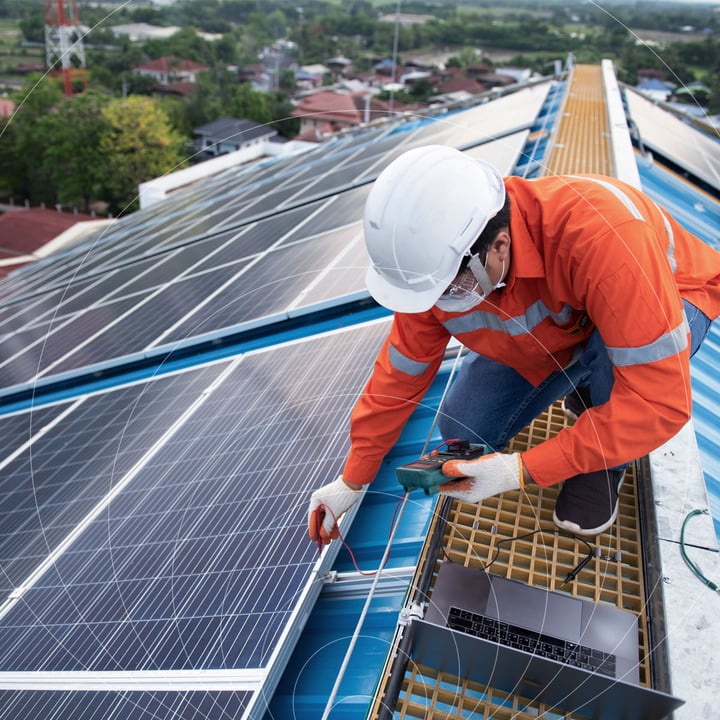
Market growth reflects this shift. According to Market Research Future, the IoT in Energy market was valued at USD 84.84 billion in 2024. It is projected to grow from USD 104.93 billion in 2025 to USD 878.94 billion by 2035. This rapid expansion shows that IoT is now core to modern energy systems.
Why IoT is Crucial for Modern Energy Systems
Energy systems are under pressure from multiple directions.
Global electricity demand keeps rising. This is due to urbanization, more electric transport, and growing digital infrastructure. At the same time, utilities must modernise ageing grids and meet strict environmental targets.
These shifts introduce complexity:
- More distributed energy resources such as solar and wind
- Bi directional power flows
- Increased variability in supply
- Higher customer expectations for reliability
IoT addresses these challenges by enabling:
- Real time monitoring of assets and networks
- Faster fault detection and restoration
- Data driven load forecasting
- Seamless renewable integration
Digital energy systems powered by IoT can adapt quickly. They no longer rely on fixed assumptions. This shift from reactive to predictive operations is central to the ongoing energy transition.
Core IoT Technologies Powering the Energy Sector
IoT in energy relies on several interconnected technology layers.
Sensors and Field Devices
Sensors measure voltage, current, temperature, vibration, pressure, and environmental conditions. These devices transform physical parameters into digital signals.
In traditional systems, measurements were periodic. With IoT, continuous monitoring becomes the norm.
Communication Networks
Reliable communication is critical. Technologies include:
- Cellular IoT such as LTE-M and NB-IoT
- LPWAN solutions for low power, wide area deployments
- Satellite connectivity for remote energy assets
For energy operators managing assets across regions, global coverage and secure data transmission are essential. This is where we support deployments with our Global IoT SIM Cards and secure connectivity packages, ensuring stable communication across networks.
Smart Meters and Monitoring Systems
Smart meters capture granular consumption data. They enable utilities to monitor energy use in near real time and provide customers with better transparency.
Data Platforms and Analytics
Data collected from the field must be processed and analysed. Cloud platforms and analytics engines turn raw telemetry into insights.
Edge Computing
Edge devices process data locally, reducing latency and bandwidth usage. This is crucial for time sensitive operations such as grid protection and automated switching.
Compared to traditional energy infrastructure, IoT based systems are data driven, automated, and scalable. The transformation is architectural, not incremental.
5 Key IoT Applications Across the Energy Value Chain
Smart Grid and Distribution Optimisation
Smart grids use IoT sensors and communication networks to create real time visibility across distribution systems. Data from substations, transformers, and feeders flows continuously to control centres. This allows utilities to move from reactive fault handling to automated grid management.
- Real time fault detection and isolation
- Automated load balancing across feeders
- Voltage optimisation and loss reduction
- Better integration of renewable energy sources
We use secure, always-on connectivity in important projects. For example, our work with Bane NOR features strong IoT communication. This supports real-time monitoring of distributed assets.
Smart Metering and Consumption Analytics
Smart meters collect granular consumption data at frequent intervals. Utilities gain detailed visibility into demand patterns across residential, commercial, and industrial users. This data supports more accurate forecasting and customer engagement.
- Accurate and automated billing
- Improved load forecasting
- Demand response participation
- Greater transparency for consumers
Large scale smart metering requires secure and scalable connectivity. Our managed IoT SIMs and secure APN solutions are designed to support such distributed deployments across regions.
Predictive Maintenance and Asset Management
Energy infrastructure assets are capital intensive and geographically dispersed. IoT sensors continuously monitor temperature, vibration, and electrical parameters. Operators can detect anomalies early and intervene before failures occur.
- Reduced unplanned downtime
- Lower maintenance and repair costs
- Extended asset lifecycle
- Improved operational safety
In our work with Gomero, IoT connectivity supports intelligent monitoring of critical infrastructure components. The same predictive approach is increasingly applied across substations and grid assets in the energy sector.
Renewable and Distributed Energy Integration
Solar and wind generation are variable by nature. IoT enables continuous monitoring of generation output and storage performance. Operators can balance supply and demand in near real time across distributed assets.
- Real time renewable performance monitoring
- Forecast driven generation planning
- Integration of rooftop solar and microgrids
- Coordinated battery storage management
Reliable connectivity is essential for remote renewable sites. Our Global IoT Coverage and satellite options help maintain stable communication even in hard to reach locations.
Demand Response and Load Balancing
Demand response programmes rely on connected devices and smart meters to manage peak loads. Utilities can send signals to shift or reduce consumption during high demand periods. Automated systems respond within seconds, improving grid stability.
- Reduced peak load pressure
- Lower reliance on peaker plants
- Optimised grid efficiency
- Support for electric vehicle charging management
Secure device level communication is critical in these programmes. We support such distributed IoT ecosystems with encrypted connectivity, lifecycle management, and scalable deployment models.
.jpg?width=1200&height=628&name=1200x628-KEY-Energy-banner-2%20(3).jpg)
Business Benefits and Strategic Value of IoT in Energy Sector
IoT adoption delivers measurable outcomes.
- Operational Efficiency: Continuous monitoring reduces energy waste and optimises generation and distribution. Automation cuts manual intervention and operational costs.
- Grid Reliability: Real time visibility and automated fault management reduce outage frequency and duration.
- Sustainability Gains: IoT supports higher renewable penetration and improved energy efficiency, contributing to emissions reduction goals.
- Customer Insights: Granular data enables personalised tariffs, proactive communication, and improved customer engagement.
For energy companies operating across borders, global IoT connectivity ensures consistent performance across markets. Our Global IoT Coverage across 190 plus countries supports such distributed energy deployments.
Challenges and Implementation Considerations
Despite its benefits, IoT deployment in energy comes with challenges.
Cybersecurity Risks:
Energy infrastructure is critical infrastructure. Protecting endpoints, networks, and data flows is essential. Mitigation strategies include:
Encrypted communication
Private APNs
Network segmentation
Continuous monitoring
Integration Complexity: Legacy systems were not designed for digital integration. Careful system architecture and phased implementation reduce risk.
Data Interoperability: Different vendors use different protocols. Adopting open standards and unified platforms improves interoperability.
Scalability and Cost Management: Pilot projects often succeed, but scaling requires robust connectivity management and lifecycle control. Managed IoT connectivity platforms simplify SIM provisioning, monitoring, and cost optimisation.
Emerging Trends and Future Outlook
The future of IoT in energy is shaped by convergence.
- AI and Advanced Analytics: Machine learning models enhance forecasting accuracy and optimise grid operations.
- Digital Twins: Digital twins simulate physical assets in virtual environments. They support predictive analytics and scenario planning.
- Smart Cities and E Mobility: IoT connects charging infrastructure, public lighting, and distributed generation within smart cities.
- Edge Computing Expansion: As edge capabilities grow, more decision making will happen locally. This reduces latency and enhances resilience.
The combination of IoT, AI, and edge computing will create highly autonomous and adaptive energy systems.
Practical Implementation Roadmap
For organisations considering IoT adoption in energy operations, a structured approach is essential.
- Assess Infrastructure Readiness: Evaluate existing assets, communication capabilities, and cybersecurity posture.
- Identify High Impact Use Cases: Start with measurable pilots such as smart metering or transformer monitoring.
- Select Connectivity and Security Architecture: Choose scalable IoT connectivity solutions with global coverage, secure APNs, and lifecycle management.
- Deploy and Measure: Define KPIs such as outage reduction, cost savings, or efficiency improvements.
- Scale Systematically: Expand to additional assets and regions once performance and ROI are validated.
A strong connectivity foundation is critical at every stage. Without reliable, secure data transmission, even the best analytics platform cannot deliver value.
At Com4, we align closely with this roadmap. We support pilot projects with flexible Connectivity Packages, then enable expansion through Global IoT SIM Cards operating across 190 plus countries.
.jpg?width=1200&height=628&name=1200x628-KEY-Energy-banner-1%20(2).jpg)
Strategic Takeaways
The internet of things in the energy sector is redefining how critical infrastructure operates. Energy systems are becoming connected, measurable, and continuously optimised. Utilities no longer rely on periodic reporting or manual intervention. They operate with real time intelligence across distributed assets. This shift is fundamental to grid resilience, renewable expansion, and long term decarbonisation.
As energy networks become more digital, connectivity becomes mission critical infrastructure. Data must move securely, reliably, and without interruption across regions and environments. At Com4, we provide the secure cellular and satellite IoT connectivity that underpins these energy ecosystems. By delivering global coverage, managed SIM lifecycle control, and secure network architecture, we help energy operators build scalable and future ready digital energy systems.



.jpg)