
LPWA connectivity for smart metering in Europe
NB-IoT and LTE-M on one SIM, with more than one network in every country you meter.
Smart meters sit in basements and cabinets and report for 15 years or more. Com4 IoT SIMs give each meter NB-IoT, LTE-M, 4G and 5G on one profile, access to 750+ networks in 190+ countries, private APN and over-the-air profile changes with SGP.32. Some of the largest smart metering companies in Norway work with Com4.
One SIM for every meter, in every European market
Electricity, heat, gas and water meters need connectivity that reaches deep indoors, uses very little power and outlasts the first contract. Com4 combines LPWA technologies with multi-network access, so a meter can use the strongest network where it is installed, and you manage every SIM across Europe in Polaris, our connectivity management platform.
Benefits
Deep indoor reach
NB-IoT and LTE-M reach further into basements, risers and meter cabinets than 2G or standard 4G. Multi-network SIMs let each meter use the strongest network at its site, not just one operator's.
Built for rollouts at scale
SIMs ship pre-activated, with bulk actions and an API for your head-end system, so installers don't wait and hundreds of thousands of meters stay in sync.
Secure and future-proof
Private APN through our own mobile core based on Nokia 5G SA keeps meters off the public internet and supports NIS2 work. SGP.32 eSIM lets you change profiles over the air for the meter's whole life.

LPWA for every part of a metering programme
Direct cellular meters
Electricity, heat and water meters on NB-IoT or LTE-M report straight to the utility, with no concentrator layer. Dual-mode modules can use whichever technology is strongest at each site.
Data concentrators
Where meters talk over radio mesh or power line communication, the concentrator carries the data to the utility over LTE-M or 4G on a multi-network SIM.
Smart buildings and BMS
Sub-meters and building sensors run on NB-IoT or LTE-M, while BMS gateways use 4G or 5G, all on the same SIM and platform. See IoT for building management systems.
NB-IoT vs LTE-M: which one fits your device?
NB-IoT and LTE-M are both cellular LPWA technologies standardised by 3GPP. Both run on licensed spectrum in operators' 4G and 5G networks, and both are built for low power. The right choice depends on three things: whether your device moves, how much data it sends, and where it is installed.
| NB-IoT | LTE-M | |
|---|---|---|
| Best for | Fixed devices that send small, infrequent messages, such as smart meters, environmental sensors and parking sensors | Devices that move or need more data, such as asset trackers, fleet telematics, wearables and alarm panels |
| Indoor and underground coverage | The strongest of the two. Built to reach deep indoors, basements and underground | Good, and better than 2G or standard 4G |
| Mobility | Built for stationary devices. No handover between cells during a data session | Full mobility with handover between cells |
| Data rate | Low, up to around 150 kbit/s | Higher, up to about 1 Mbit/s |
| Latency | Seconds | Well under a second |
| Battery life | 10+ years possible with infrequent messages, using PSM and eDRX | Many years with PSM and eDRX, usually somewhat shorter than NB-IoT |
| Voice (VoLTE) | No | Yes |
| Firmware updates over the air | Possible, but slow for large files | Practical, thanks to the higher data rate |
| Roaming | Available on fewer networks. Check each market before you deploy | Available on more networks than NB-IoT |
| Replacing 2G and 3G | A good fit for fixed 2G devices with small data needs | The usual replacement for 2G and 3G devices, especially mobile ones |
Rule of thumb: if the device stays put, sends a few bytes a day and sits somewhere hard to reach, NB-IoT is usually the better choice. If it moves, needs voice or regular firmware updates, or will roam across borders, choose LTE-M.
Many modules support both, and Com4's global IoT SIM cards work on both technologies, so you can decide per device and per market. Check availability country by country on our coverage page, or read our LTE-M vs NB-IoT decision guide.
LPWA smart metering FAQ
What is LPWA connectivity for smart metering?
LPWA (Low Power Wide Area) connectivity for smart metering means connecting meters over NB-IoT or LTE-M, cellular technologies built for devices that send small amounts of data, sit deep indoors and run for many years on low power.
Should smart meters use NB-IoT or LTE-M?
NB-IoT suits static meters deep indoors that send small readings. LTE-M handles firmware updates better and its roaming is more widely available. Com4 SIMs support both, so you can decide per meter and per market.
Is NB-IoT available everywhere in Europe?
Not on every network. NB-IoT is live on fewer networks than LTE-M, and roaming is more limited. In Poland, for example, T-Mobile runs the only nationwide commercial NB-IoT network. Com4 can confirm NB-IoT and LTE-M availability per country and network.
Can one Com4 SIM use more than one network?
Yes. Com4 SIMs can use several networks in each country, with access to 750+ networks in 190+ countries, so a meter is not stuck on one operator's coverage.
Does Com4 offer SGP.32 for long-lived meters?
Yes. SGP.32 eSIM is available, so you can change IoT profiles over the air instead of visiting every meter.
Does Com4 work with smart metering companies?
Yes. Some of the largest smart metering companies in Norway work with Com4.
Plan your smart meter rollout with Com4
Part of Wireless Logic, Com4 brings 15 years of IoT experience, 1000+ customers and 20M+ connections across the group. Our IoT specialists help you choose between NB-IoT and LTE-M, test SIMs at real meter sites and plan for the meter's whole life. Read our guide to IoT connectivity for smart metering and BMS in Europe.
Resources
Stay Connected with the Latest in IoT
Best eUICC and SGP.32 IoT eSIM Providers in 2026
The best eUICC and SGP.32 IoT providers in 2026 are the ones that can ship certified SGP.32 SIMs...
LTE-M vs NB-IoT Providers for 2G Migration: How to Choose
Short answer: For most 2G replacements, LTE-M is the better choice: it supports moving devices,...
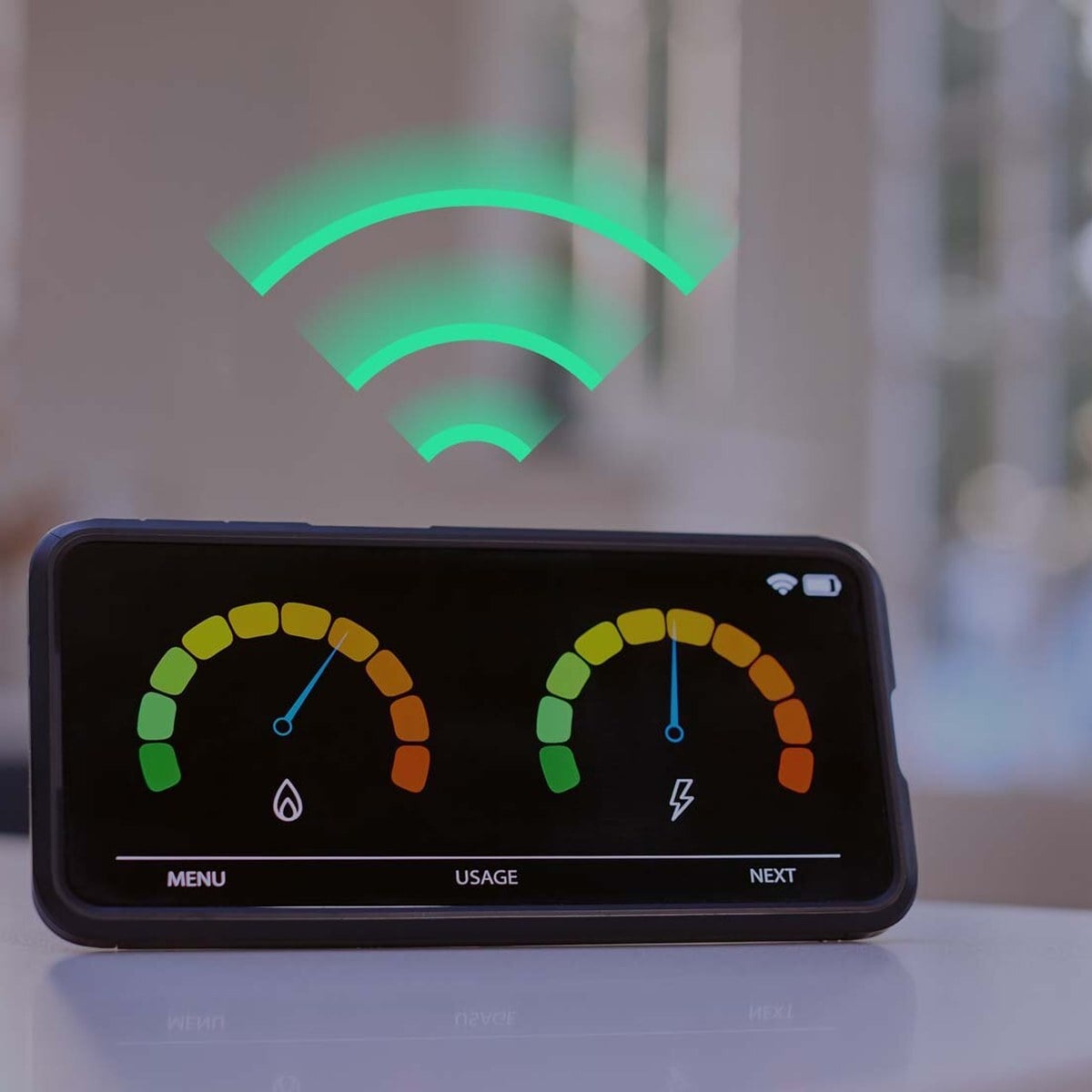
Best IoT Connectivity for Nordic Smart Meter Rollouts
Short answer: The best IoT connectivity for a Nordic smart meter rollout is NB-IoT or LTE-M on a...