

.jpg?width=720&height=720&name=CMP-Hero-1200x1200%20(2).jpg)
Yet many IoT projects struggle not because of hardware or software, but because connectivity strategy was underestimated.
At Com4, we work with enterprises globally to design and operate managed IoT connectivity solutions. Based on real world experience, here are the most common IoT connectivity mistakes and how to avoid them.
Choosing the Wrong IoT Connectivity Technology
Selecting connectivity based only on price or familiarity is one of the most frequent and costly mistakes.
Standard LTE may not be suitable for low power devices. NB-IoT connectivity or LTE-M may offer better battery life and coverage. Some use cases require 5G performance. Others benefit from satellite backup for remote locations.
A mismatch between radio technology and device requirements leads to unstable connections, reduced battery lifespan, and higher operational costs.
To avoid this, conduct a detailed use case analysis that considers:
-
Coverage requirements
-
Device mobility
-
Data volume
-
Latency sensitivity
-
Power consumption
-
Expected product lifecycle
A professional IoT connectivity provider should help align your connectivity architecture with both technical and business goals from the beginning.
Failing to Plan for 2G and 3G Shutdown
The global 2G and 3G shutdown is accelerating. Many operators across Europe and other regions have already decommissioned 3G networks, and 2G will follow in several markets. Devices that rely on legacy cellular technologies risk losing connectivity entirely.
A proactive LTE-M migration or transition to NB-IoT connectivity ensures long term reliability. Enterprises should audit their device fleet, identify legacy dependencies, and implement a structured migration plan.
Future proof IoT deployments must be designed for modern cellular networks.
.jpg?width=1200&height=628&name=sunset-banner-4%20(2).jpg) Assuming Global Roaming Is Simple
Assuming Global Roaming Is Simple
International IoT deployments introduce complexity that is often underestimated.
Coverage quality varies between countries. Frequency bands differ. Permanent roaming restrictions may apply. Relying on consumer SIM cards or local operator agreements can create instability and regulatory risk.
A global IoT SIM designed for multi-network access provides resilience and flexibility. Centralized IoT SIM management allows full visibility and control across regions.
Testing network performance in each target market before large scale deployment reduces operational risk significantly.
Overlooking Power Efficiency
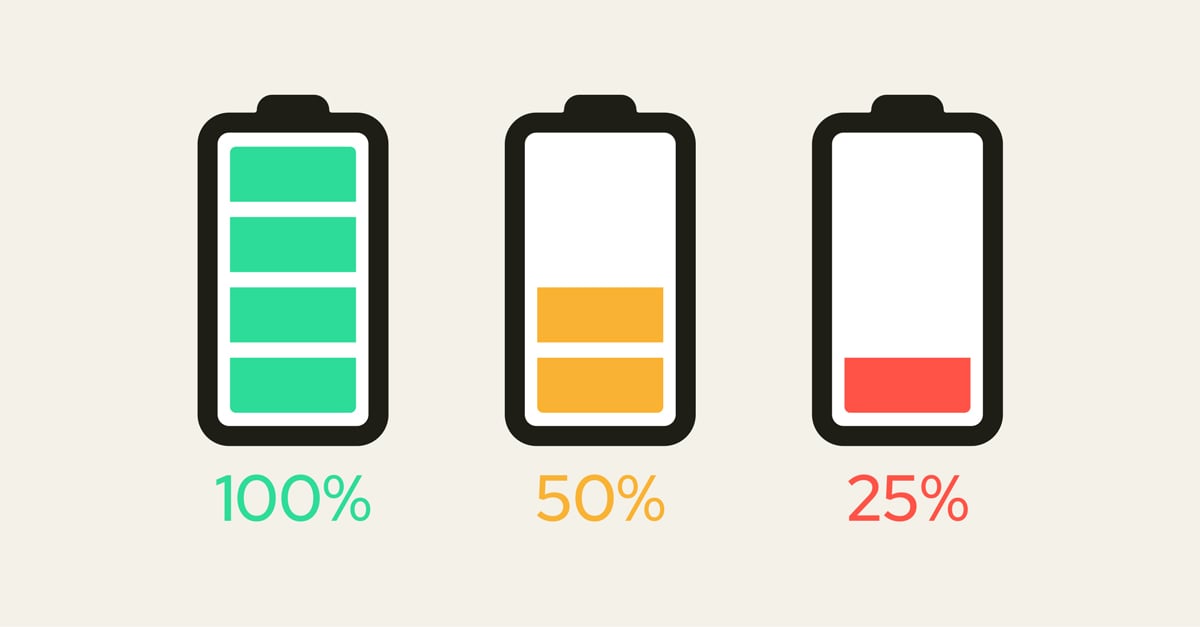
Connectivity directly impacts device battery life. High power technologies may shorten operational lifespan, especially for devices deployed in remote or hard to access environments. Replacing batteries frequently increases maintenance costs and reduces ROI.
Technologies such as LTE-M and NB-IoT are designed for low power wide area connectivity. Combined with optimized transmission intervals and power saving modes, they significantly extend device lifespan.
Energy efficiency should be a strategic decision within your IoT connectivity design.
Building for Pilot Instead of Scale
Many IoT initiatives begin with a small proof of concept. Scaling from dozens to thousands or millions of devices requires a fundamentally different operational model.
Manual SIM activation, fragmented dashboards, and limited automation quickly become bottlenecks.
Scalable IoT connectivity requires centralized IoT SIM management, API driven automation, and cloud integrated infrastructure. A managed IoT connectivity provider ensures that scaling does not introduce operational complexity. Designing for growth from day one reduces long term cost and risk.

Neglecting Secure IoT Connectivity
Every connected device expands the attack surface. Weak authentication, unencrypted communication, or unmanaged endpoints can expose the entire deployment.
Secure IoT connectivity must include encrypted data transmission, secure SIM technology, controlled authentication mechanisms, and remote firmware update capabilities.
Security cannot be retrofitted easily. It must be integrated into the connectivity architecture from the beginning.
Ignoring Remote Management and Visibility
Without centralized monitoring, organizations often detect connectivity issues only after downtime occurs. For global deployments, physical troubleshooting is expensive and time consuming.
Centralized dashboards, proactive alerts, remote configuration, and performance analytics allow enterprises to manage IoT deployments efficiently. Managed IoT connectivity solutions provide operational visibility that reduces downtime and improves performance.
Underestimating Data and Backhaul Requirements
IoT connectivity is not only about attaching devices to a network. Data must be transmitted, filtered, processed, and stored efficiently.
Unoptimized data flows increase bandwidth costs and strain infrastructure. Insufficient backhaul capacity can cause performance bottlenecks.
Edge processing, intelligent filtering, and bandwidth optimization are critical components of an effective IoT connectivity strategy.
Failing to Design Redundant Connectivity
Network outages happen. Without fallback mechanisms, even short disruptions can impact operations and revenue.
Multi network IoT SIM solutions, dual SIM configurations, and hybrid cellular and satellite connectivity improve resilience. Testing failover logic under real conditions ensures reliability for mission critical deployments. Resilient IoT connectivity protects both service levels and brand reputation.
Focusing Only on Upfront Cost Instead of Total Lifecycle Value
Many IoT projects evaluate connectivity based on initial data pricing alone. However, total lifecycle cost includes SIM management, scalability, roaming optimization, support, firmware updates, and future network transitions such as LTE-M migration.
A transparent managed IoT connectivity model helps enterprises control long term operational expenditure while maintaining performance and security.
Connectivity Is the Strategic Foundation of IoT
IoT connectivity is not a commodity. It is a strategic infrastructure decision that determines performance, security, scalability, and long term profitability.
Working with an experienced IoT connectivity provider ensures that your deployment is designed for global coverage, modern cellular networks, secure architecture, and scalable growth.
At Com4, we deliver secure, scalable, and future ready managed IoT connectivity solutions worldwide. From LTE-M migration to global IoT SIM deployment, we help enterprises build connectivity that performs today and evolves tomorrow.




.webp)
.jpg)