Managing Global IoT SIM Cards in 2026

Managing thousands of global IoT SIM cards across multiple countries sounds straightforward on paper. Order SIMs, deploy devices, track data usage. In practice, enterprises face ordering delays, fragmented visibility, and regional restrictions that turn simple deployments into months-long projects.

SIM technology / iSIM / eSIM / Multi-Network SIMs | 24 July 2026
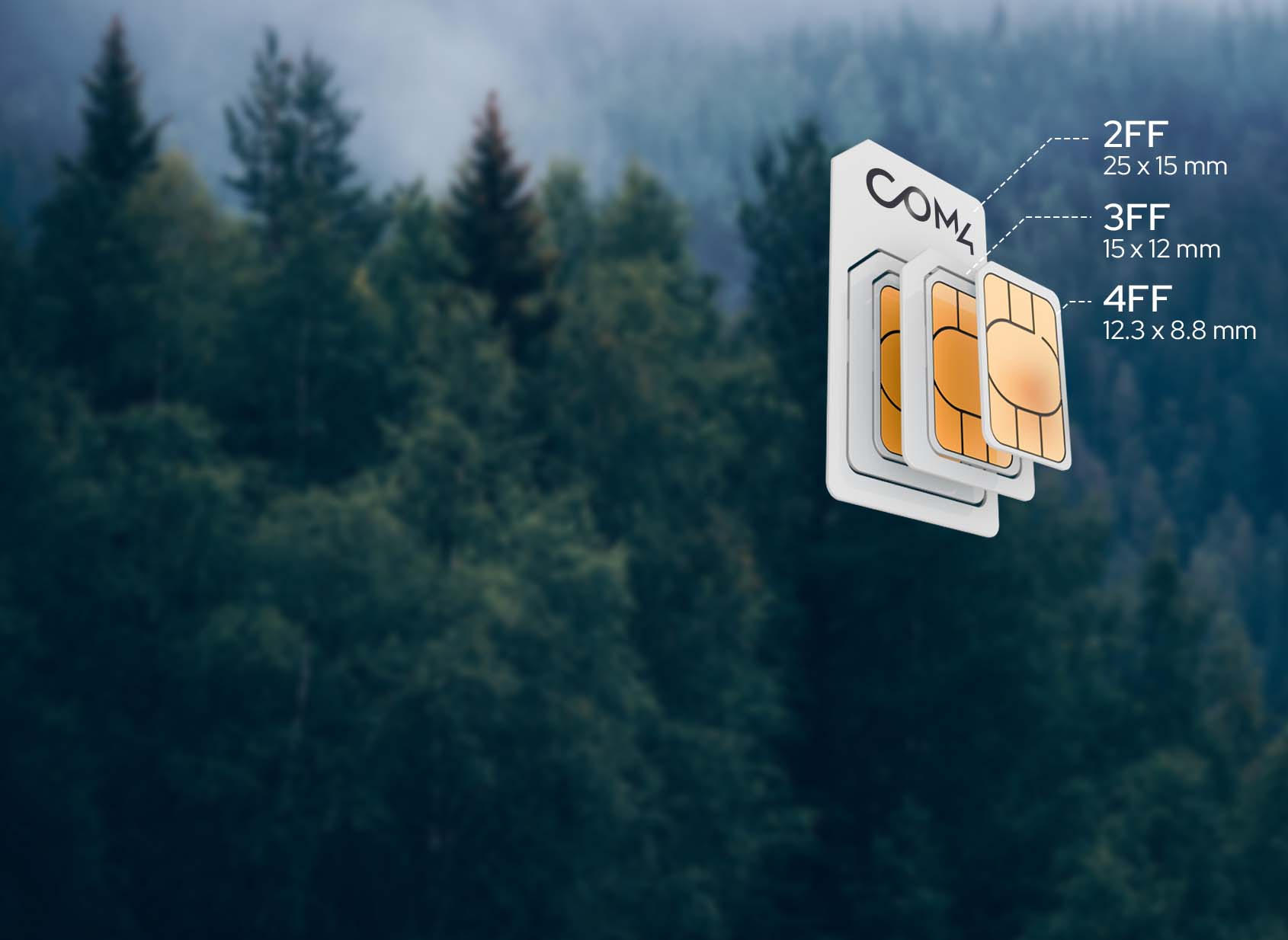
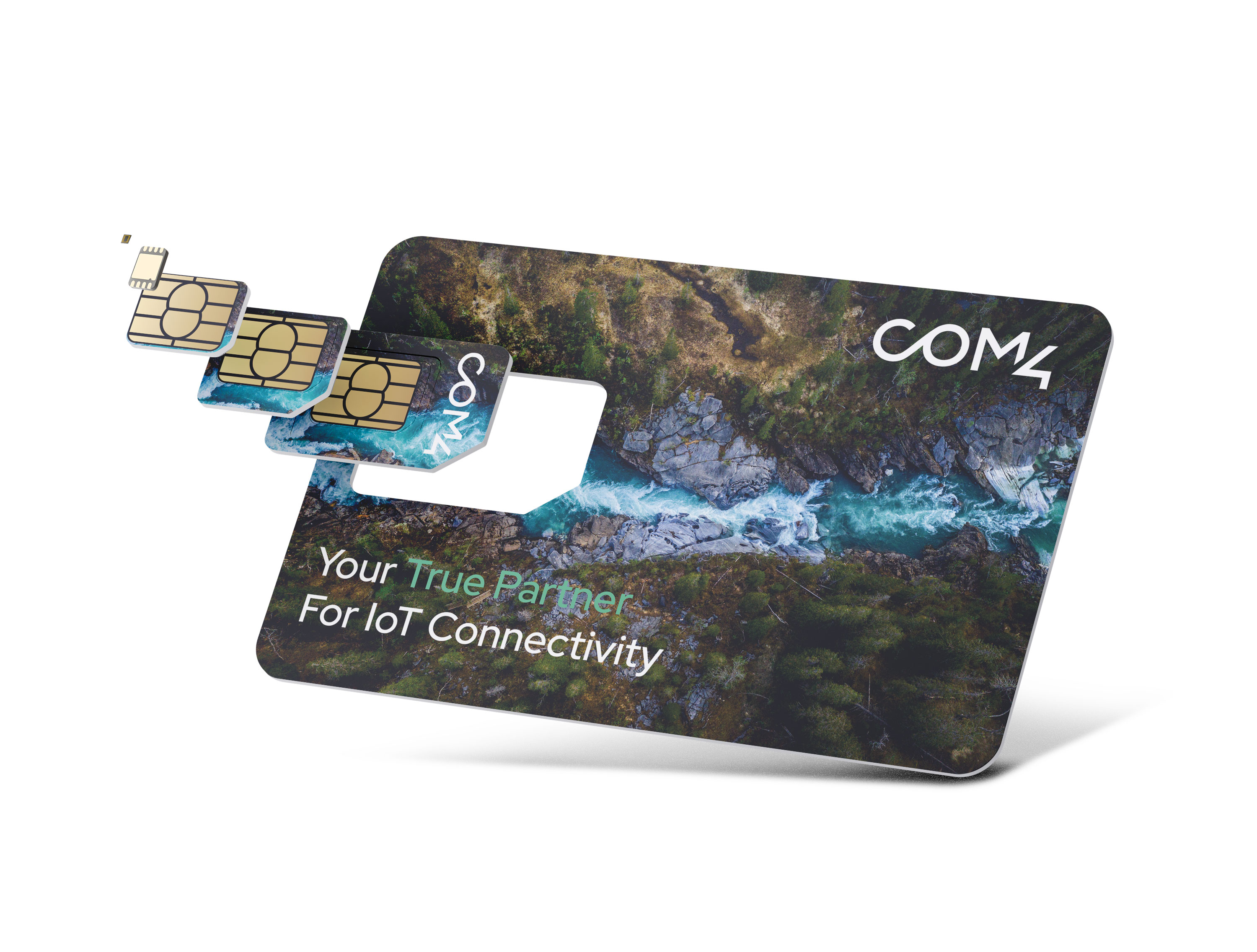
Com4 SIM card in three sizes (standard, micro, nano) fanned out beside a COM4-branded card featuring an aerial forest photo and the tagline 'Your True Partner For IoT Connectivity.
Com4 helps organizations cut through this complexity with carrier-agnostic SIMs connecting to 750+ networks in over 190 countries.

This guide covers everything you need to know about managing global IoT SIM cards across devices, networks, and regions. You will learn why delays happen, how to avoid them, and what practical steps reduce complexity in your deployments.

Key Takeaways: Managing Global IoT SIM Cards

  • Global IoT SIM delays often stem from procurement, provisioning bottlenecks, and unclear carrier agreements rather than technical issues.
  • Carrier-agnostic SIMs with multi-IMSI technology eliminate the need for region-specific SIM cards and reduce logistics overhead.
  • Com4 delivers pre-activated SIMs ready for instant deployment, removing activation delays from your rollout timeline.
  • A centralized connectivity management platform gives you real-time visibility and control over your entire global fleet.
  • Planning for regional regulations, roaming restrictions, and network shutdowns early prevents costly rework and downtime.

What Are Global IoT SIM Cards and Why Do Enterprises Need Them?

A global IoT SIM card is a subscriber identity module designed specifically for IoT devices that need connectivity across multiple countries and networks. Unlike consumer SIMs tied to a single carrier, these cards support machine-to-machine communication and can connect to numerous cellular networks worldwide.

Enterprises choose global IoT SIMs because managing separate local SIMs for each country creates logistical headaches. Ordering from different suppliers, tracking multiple SKUs, and dealing with varied activation processes all add cost and delay your time-to-market.

With a single global SIM SKU, you standardize your hardware, simplify procurement, and maintain consistent connectivity whether your devices operate in Oslo, Munich, or Tokyo.

Why Do Global IoT SIM Ordering Delays Happen?

Ordering delays represent one of the most common frustrations in global IoT deployments. Understanding the root causes helps you avoid them entirely.

Fragmented Procurement Processes

When you source SIMs from multiple regional carriers, each supplier has different lead times, minimum order quantities, and contract requirements. Coordinating these processes across departments and time zones quickly becomes a bottleneck.

Complex Activation Requirements

Traditional SIM cards require manual activation steps before they can connect to networks. For large deployments, this means hours spent activating cards one by one or navigating multiple carrier portals with different interfaces.

Regulatory and Compliance Hurdles

Some countries restrict permanent roaming for IoT devices or require local carrier agreements. Without prior knowledge of these requirements, your shipment may arrive only to discover that devices cannot connect in certain regions.

Inventory and Logistics Gaps

Physical SIM cards need to be shipped, stored, and tracked. Delays at customs, warehouse stockouts, or shipping errors all add days or weeks to your deployment schedule.

How Multi-IMSI and eUICC Technology Solve Coverage Challenges

Multi-IMSI SIM cards store multiple International Mobile Subscriber Identities on a single SIM. This means one card can connect to several different carrier networks depending on location and signal strength.

When your device moves from Germany to Sweden, the SIM automatically switches to the network with the strongest signal. If one carrier experiences an outage, the SIM connects to an alternative network, often within seconds. This redundancy reduces downtime significantly compared to single-carrier SIMs.

Understanding eUICC and Remote SIM Provisioning

eUICC (embedded Universal Integrated Circuit Card) takes this flexibility further. With eSIM technology, you can download new carrier profiles to devices remotely. No physical SIM swap required.

This capability proves particularly valuable when regulations change or when you need to optimize costs by switching carriers in specific regions. Remote provisioning also allows you to prepare devices before shipping and activate connectivity only when they reach their destination.

What to Look for in a Global IoT SIM Provider

Not all providers offer the same capabilities. Evaluating your options carefully saves you from discovering limitations mid-deployment.

Network Coverage and Carrier Relationships

Check how many networks the provider can access in your target regions. A provider with agreements across 750+ networks offers far more flexibility than one with 50 partnerships. Multiple network options per country also provide redundancy if a single carrier has coverage gaps.

Non-Steered Network Selection

Some providers steer traffic to preferred partner networks regardless of signal quality. Non-steered SIMs connect to whichever network offers the strongest signal, prioritizing your device performance over carrier economics.

Pre-Activation and Deployment Speed

Pre-activated SIMs ship ready to connect. As soon as your device powers on, it joins the network without requiring portal logins or activation codes. This feature alone can shave weeks off deployment timelines.

Transparent Cost Structures

Look for providers offering flexible options such as pay-as-you-go and data pooling. Predictable costs help you budget accurately, while pooled data prevents waste when individual devices have variable usage patterns.

How Com4 Simplifies Global IoT SIM Management

Com4 addresses the core challenges of global IoT SIM management through carrier-agnostic connectivity, pre-activated SIMs, and a unified management platform.

With access to over 750 cellular networks in 190+ countries, Com4 ensures your devices can connect wherever they operate. The global IoT SIM cards support 2G, 3G, 4G, LTE-M, NB-IoT, and 5G on a single SKU, eliminating the need for region-specific inventory.

Pre-Activated Deployment

Com4 delivers SIMs ready for immediate use. Skip the activation portal, avoid manual configuration steps, and reduce deployment time from weeks to days.

Full Lifecycle Control

Through the Connectivity Management Platform, you can suspend, reactivate, or adjust SIMs at any point in their lifecycle. This centralized control ensures you maintain visibility across your entire fleet without logging into multiple carrier portals.

CMP-billing-article-4 (1)

Provisioning and Activation Best Practices for Global Deployments

Smooth provisioning separates successful deployments from frustrating delays. Follow these practices to keep your projects on schedule.

Standardize on a Single SIM SKU

Using one global SIM for all devices simplifies procurement, reduces inventory complexity, and ensures consistent behavior across your fleet. Hardware teams can design products once and ship anywhere.

Test Before You Scale

Before rolling out thousands of devices, run a pilot in each target region. Testing reveals connectivity gaps, regulatory issues, or carrier-specific quirks that documentation might miss. Com4 offers a free IoT test kit to validate connectivity before committing to large orders.

Document Activation Workflows

Even with pre-activated SIMs, your internal processes need documentation. Define who orders SIMs, how they enter your inventory system, and what happens when a device ships. Clear workflows prevent confusion across teams.

Plan for Edge Cases

Some devices will fail to connect. Plan your troubleshooting process before deployment. Know how to check SIM status, run diagnostics, and escalate issues when local support cannot resolve them.

Regional Regulations and Roaming Restrictions to Consider

Global deployments must navigate a patchwork of regulations that vary by country and carrier. Ignoring these requirements creates risk for your entire project.

Permanent Roaming Restrictions

Countries including Brazil, Turkey, and China have rules limiting or prohibiting permanent roaming for IoT devices. Your global SIM provider needs local carrier agreements or localized profiles to maintain compliant connectivity in these markets.

Data Localization Requirements

Some regions require data to remain within national borders. Understand where your connectivity routes traffic and whether local breakout options exist for sensitive applications.

Network Shutdown Timelines

2G and 3G networks are shutting down across multiple countries. If your devices rely on these technologies, plan migration to 4G, LTE-M, or NB-IoT before shutdowns leave devices offline. Com4 offers guidance on preparing for 2G/3G shutdowns.

How to Gain Visibility and Control Over Large SIM Fleets

Managing a handful of SIMs is simple. Managing 50,000 SIMs across 20 countries requires different tools and processes.

Centralized Management Platforms

A single dashboard showing all devices, their connectivity status, and data usage eliminates the need to check multiple carrier portals. Look for platforms that allow filtering by region, device type, or usage threshold.

Real-Time Alerts and Automation

Configure alerts for unusual behavior such as sudden data spikes, IMEI changes, or connectivity drops. Automation rules can suspend rogue devices automatically, preventing bill shock and security risks.

API Integration

Your SIM management platform should integrate with existing systems. REST APIs allow you to pull usage data into dashboards, trigger actions from your CRM, or sync device status with inventory management software. Com4's platform offers over 60 API endpoints for this purpose.

Reporting and Analytics

Historical data helps you optimize costs and plan capacity. Identify devices using more data than expected, find regions with frequent connectivity issues, and forecast budget needs based on actual consumption patterns.

Security Considerations for Global IoT SIM Deployments

IoT devices present attractive targets for attackers. Your SIM management strategy must address security from deployment through decommission.

Physical SIM Security

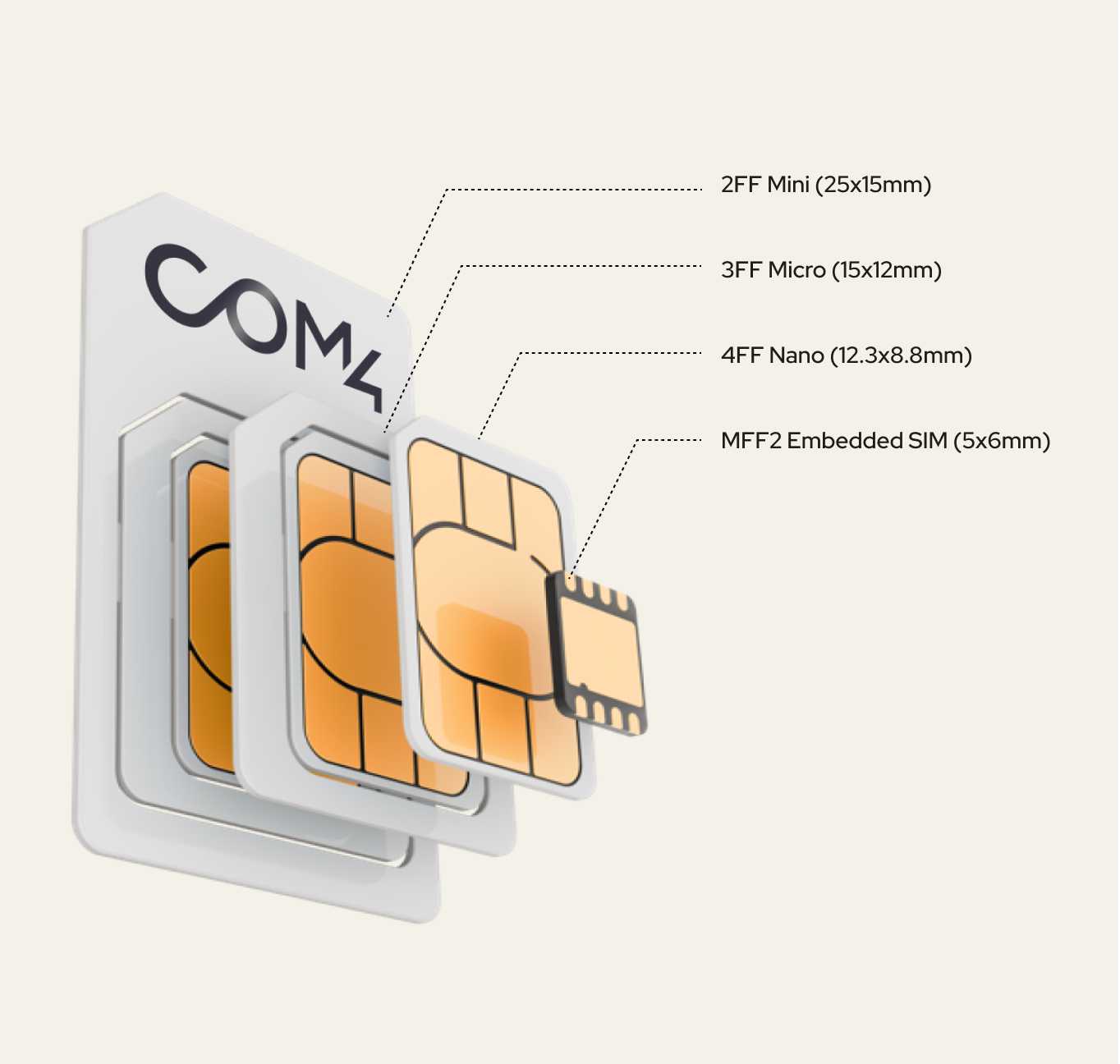
Embedded SIMs (MFF2 form factor) are soldered to device circuit boards, making them tamper-resistant. For devices in accessible locations, embedded SIMs prevent theft or unauthorized SIM swaps.

Network-Level Protection

Private APNs segregate your device traffic from public internet traffic. Combined with VPN tunnels and IPsec encryption, this approach creates secure pathways between devices and your backend systems. Com4 offers enterprise-grade IoT security solutions including private APN and penetration testing services.

Access Control and Audit Logs

Limit who can modify SIM settings, suspend devices, or access usage data. Role-based permissions and audit logs ensure accountability and support compliance requirements.

Cost Optimization Strategies for Global IoT Connectivity

Connectivity costs can spiral quickly if not managed proactively. These strategies help you keep expenses predictable.

Choose the Right Plan Structure

Pay-as-you-go works well for devices with unpredictable or low data usage. Data pooling makes sense when devices have varied consumption patterns, as unused data from one device offsets overages from another.

Set Usage Thresholds

Configure per-device and fleet-level caps to prevent unexpected charges. Automatic actions such as throttling or suspension protect your budget while maintaining visibility into which devices trigger limits.

Monitor and Optimize Regularly

Review usage reports monthly. Identify devices using far more or less data than expected. Renegotiate plans as your deployment scales or usage patterns stabilize.

Avoid Roaming Surcharges

Traditional roaming rates can be 10-50x higher than local rates. Global IoT SIMs with pre-negotiated agreements eliminate these surcharges, keeping costs predictable as devices cross borders.

Industry Applications for Global IoT SIM Management

Different industries face unique challenges in global IoT deployments. Understanding these use cases helps you apply best practices to your situation.

Logistics and Fleet Management

Trucks, containers, and packages cross borders constantly. Global SIMs with automatic network switching ensure tracking devices maintain connectivity regardless of location. Real-time visibility into fleet location and condition reduces theft and improves delivery accuracy.

Energy and Utilities

Smart meters and remote sensors often deploy in areas with weak or intermittent cellular coverage. Multi-carrier SIMs increase the chance of maintaining connectivity in challenging environments. Com4 serves energy and utilities customers across multiple continents.

Healthcare and Medical Devices

Connected medical devices require consistent, reliable connectivity for patient safety. Regulatory compliance adds another layer of complexity. Pre-activated SIMs and robust security features address both concerns while reducing deployment friction.

Agriculture and Environmental Monitoring

Sensors deployed across farms, forests, or remote locations often operate far from cellular towers. LTE-M and NB-IoT technologies extend range while minimizing power consumption, allowing devices to operate for years on battery power.

How to Evaluate Your Current Global IoT SIM Strategy

If you already have deployed devices, periodically evaluate whether your current approach still serves your needs.

Questions to Ask

How long does it take to deploy new devices end-to-end? Can you see all devices in a single dashboard? Do you experience frequent connectivity issues in specific regions? Are your costs predictable month-to-month?

Signs You Need a New Approach

If deployment takes longer than two weeks, if you manage SIMs through multiple portals, or if roaming costs surprise you regularly, your current strategy likely needs improvement. Switching to a provider with global coverage, centralized management, and transparent costs addresses these pain points.

Steps to Start Managing Global IoT SIMs Effectively

Improving your global IoT SIM management does not require replacing everything overnight. Start with these practical steps.

Audit Your Current Deployment

List all devices, their locations, carriers, and data plans. Identify gaps in visibility, regions with frequent issues, and contracts nearing renewal.

Define Your Requirements

Document which countries you need coverage in, what technologies your devices support, and what security and compliance requirements apply. This list becomes your evaluation criteria for providers.

Test Before Committing

Request trial SIMs and deploy them in your target regions. Validate connectivity, measure latency, and test failover behavior. Real-world testing reveals issues that datasheets cannot predict.

Plan Migration Carefully

If switching providers, plan device-by-device or region-by-region migration. Maintain old connectivity as a fallback until new SIMs prove reliable in production.

In Conclusion: Simplify Global IoT SIM Management for Reliable Deployments

Managing global IoT SIM cards across devices, networks, and regions requires planning, the right technology, and a provider that understands the challenges. Ordering delays, fragmented visibility, and regulatory complexity all slow deployments and increase costs.

Com4 addresses these challenges with carrier-agnostic SIMs connecting to 750+ networks, pre-activated deployment, and a unified connectivity management platform. Whether you deploy 50 devices or 50,000, the same tools and processes scale with your needs.

Start your evaluation with a free IoT test kit and see how reliable global connectivity can accelerate your IoT projects.

FAQs about Managing Global IoT SIM Cards

What causes delays when ordering global IoT SIM cards?

Delays typically result from fragmented procurement across multiple carriers, manual activation requirements, and regional regulatory hurdles. Pre-activated SIMs from a single global provider like Com4 eliminate most of these bottlenecks.

How do multi-IMSI SIM cards improve global IoT connectivity?

Multi-IMSI SIMs store multiple carrier profiles on one card. Your device automatically connects to the strongest available network, and switches to alternatives if one carrier experiences outages. This redundancy increases uptime across regions.

Can I use one SIM card for IoT devices in multiple countries?

Yes. Global IoT SIM cards from providers like Com4 work across 190+ countries with a single SKU. This simplifies procurement, standardizes your hardware, and ensures consistent connectivity worldwide.

What is remote SIM provisioning and why does it matter?

Remote SIM provisioning uses eUICC technology to download new carrier profiles over-the-air. Com4 supports this capability, allowing you to switch carriers, update profiles, or localize connectivity without physical access to devices.

How do I prevent unexpected costs with global IoT SIMs?

Choose providers offering transparent pricing, data pooling, and usage alerts. Com4's connectivity management platform lets you set per-device thresholds and automate actions when limits approach, preventing bill shock.

What industries benefit most from global IoT SIM management?

Logistics, energy, healthcare, agriculture, and manufacturing all deploy IoT devices across multiple regions. Any industry with distributed assets requiring reliable, cross-border connectivity benefits from effective global SIM management.

How does Com4 ensure reliable connectivity in remote areas?

Com4 gives you access to 750+ networks globally and supports LTE-M, NB-IoT, and satellite connectivity options. Non-steered network selection ensures devices connect to the strongest available signal rather than a predetermined carrier.

What security features should I look for in global IoT SIMs?

Look for embedded SIM form factors that resist tampering, private APN options for network-level isolation, and platforms with role-based access controls. Com4 offers enterprise-grade security including VPN, IPsec, and penetration testing services.

Northern-light-sky
START YOUR JOURNEY TODAY

Stay up to date with the latest news and developments in Com4 and IoT industry